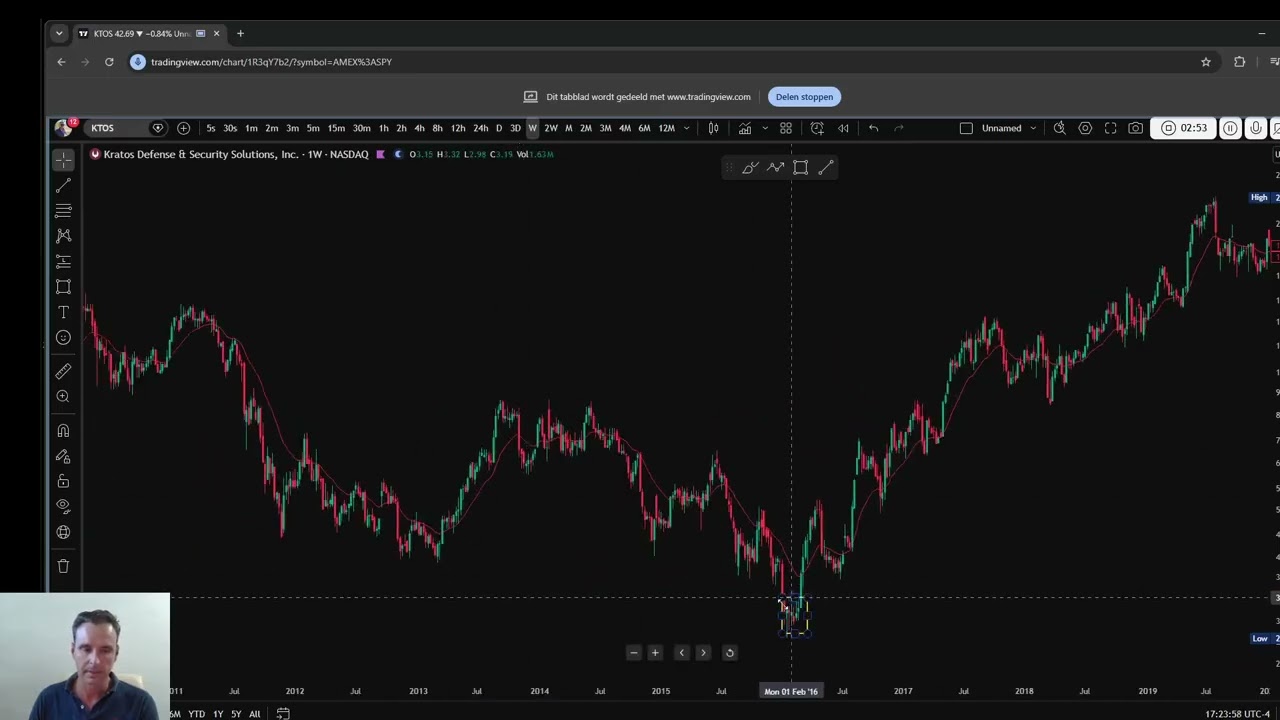
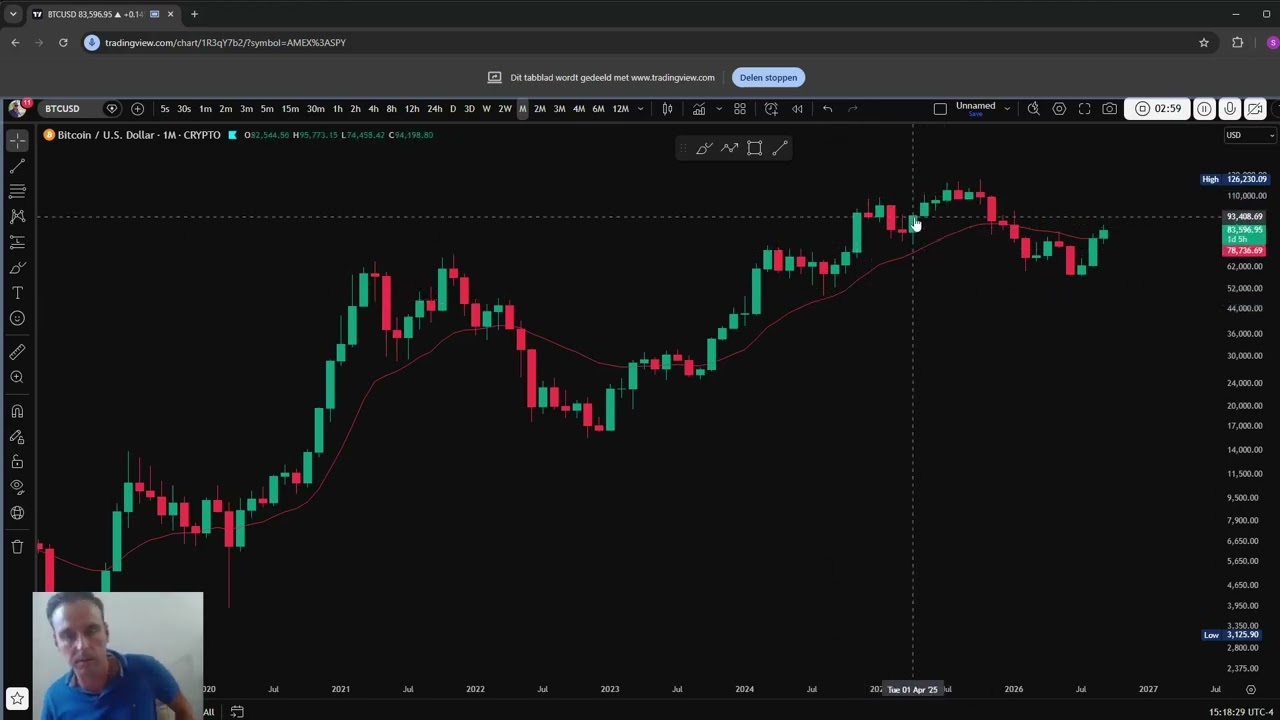
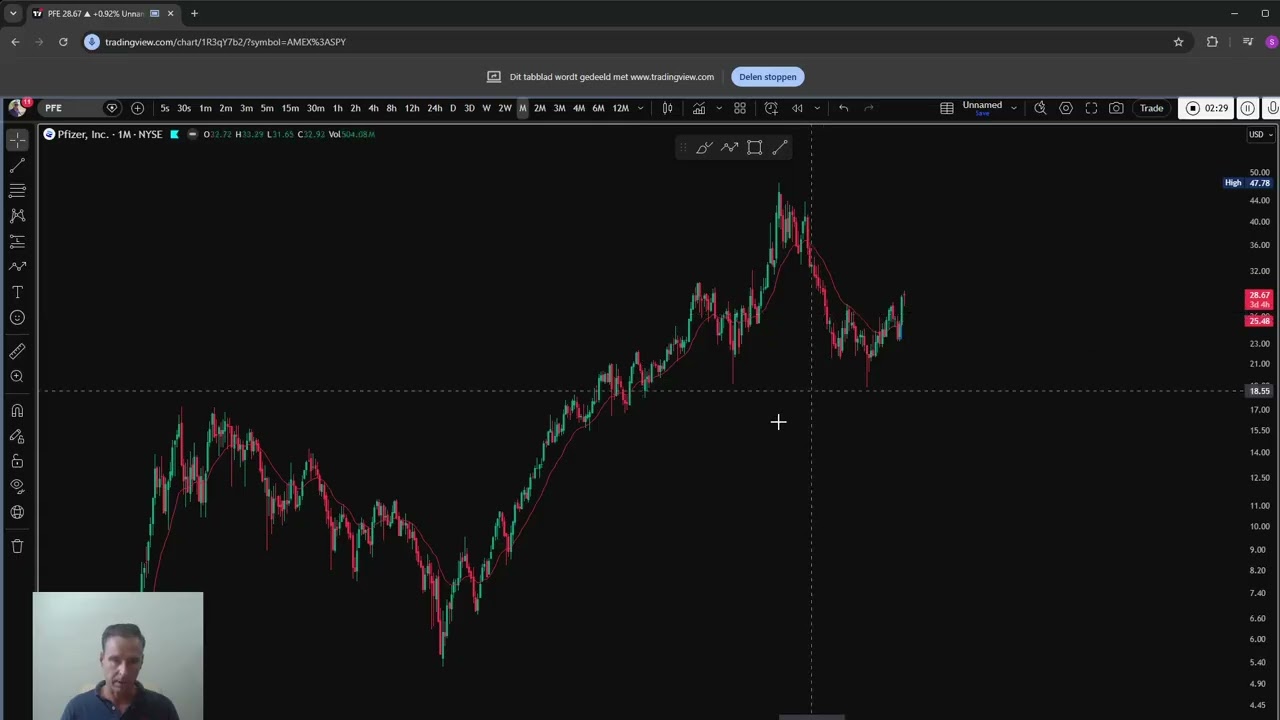
Most traders think breakouts are about momentum. They’re not. They’re about balance resolving into expansion.
When you study any market, any timeframe, across decades of history, one pattern repeats:
→
Tight compression
→
Expansion move
The compression phase is where the edge lives.
1. What is a tension box?
A tension box forms when:
- Price enters a tight range
- Volatility contracts
- Highs and lows compress
- Momentum pauses but structure remains intact
2. Why this setup works
Markets move because of order flow imbalance. Inside a tight range:
- Stops cluster above and below the box
- Larger players accumulate or distribute
- Volatility contracts
When price breaks, liquidity gets triggered. Compression → expansion.
This is not prediction. This is structural mechanics.
3. Entry logic
The edge is not direction. The edge is risk compression.
Ideal entry characteristics:
- Tight 3–15 bar consolidation
- Occurs often within a larger range (blue on the chart)
- Clear invalidation just above or below the range
Small stop. Large potential expansion. That’s asymmetric structure.
4. Trade management rules
This is where most traders fail. Once you’re in:
- Initial stop above the tension box
- After a new low → move the stop to the most recent lower high
- After strong follow-through → trail behind structural pauses
You are not predicting. You are reacting to structure.
5. Large blue boxes mean structural balance
When the range becomes too large, the odds decline. Large ranges mean:
- True balance between buyers and sellers
- Expansion probability drops toward 50/50
- Edge decreases
Edge exists in tight compression, not wide equilibrium.
6. The bigger lesson
This pattern repeats across:
- Stocks
- Futures
- Crypto
- Forex
- Any timeframe
This is simply how markets have behaved for over 100 years. You can study historical equity charts, commodity cycles, even multi-century gold data — the structural behaviour is remarkably consistent.
Key takeaway
Your edge is not forecasting. Your edge is:
- Identifying compression
- Defining small risk
- Allowing expansion to pay you
Tension plus late-trend balance equals asymmetric opportunity.
Next in this series
I’ll break down how to choose realistic targets based on prior expansion zones and liquidity levels.
See the framework applied to live positions
The theory is free and stays free. What's inside Patreon is the daily application of it — real plans with levels, position updates while trades are on, and every exit explained.
Join on PatreonFor educational purposes only — not financial advice. Every probability quoted here is an observation from my own study and record-keeping, not a guarantee. Do your own work.