The key question is simple: will the market break higher first, or will it still need to test the magnets below before the next bull trend begins?
Sideways Price Action Is Building Pressure
The S&P 500 has remained in a relatively tight range, but sideways price action does not last forever. Eventually, the market has to break out.
The longer this pressure builds, the greater the odds of a stronger trend day.
There are still magnets below the market, however. This means it remains possible that the S&P 500 will first move lower and test those levels before starting the next leg higher.
The Bullish Probability Still Has the Edge
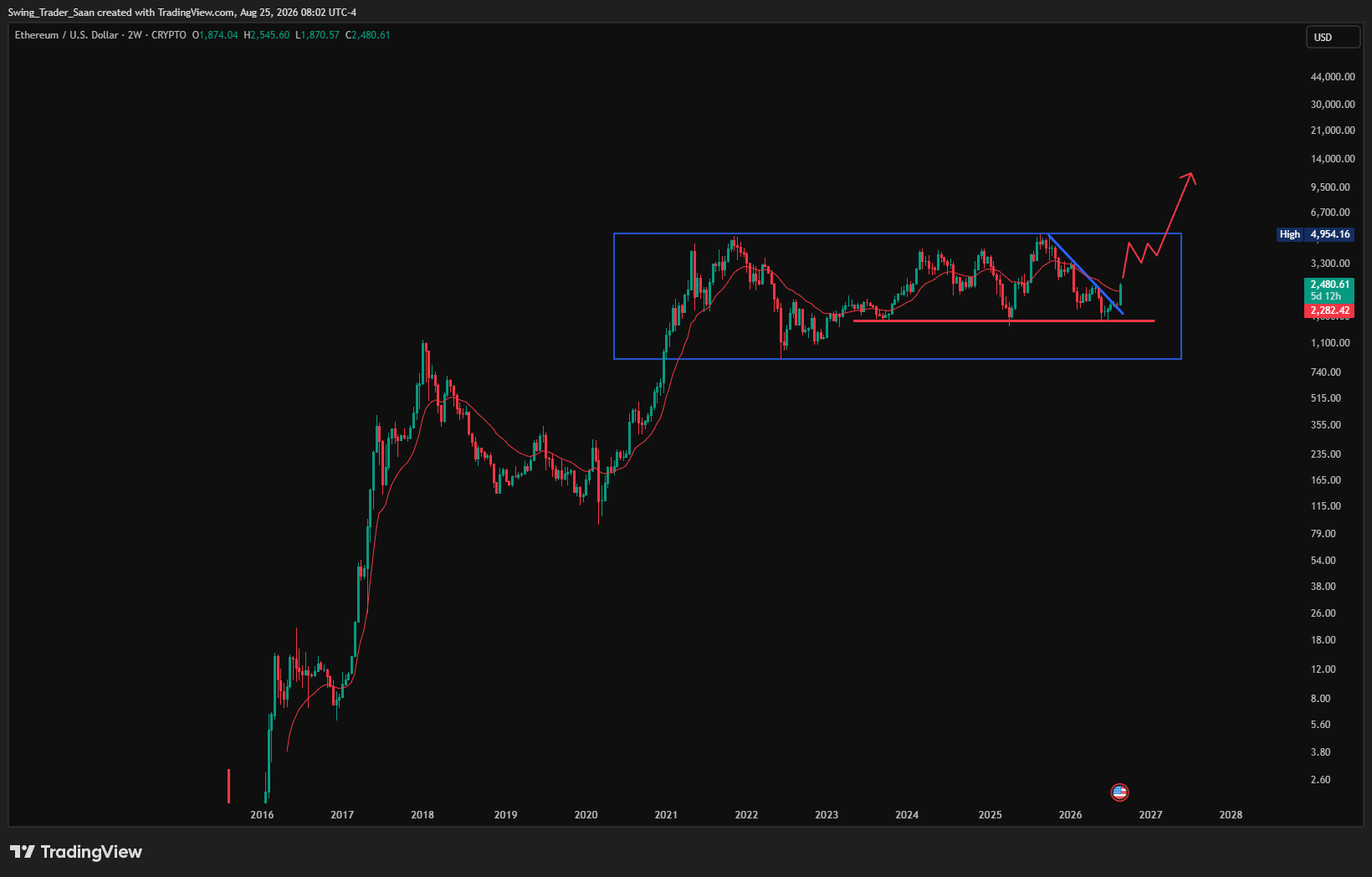
The chart structure suggests that the next major trend will probably be bullish.
A bear channel eventually retraces higher around 70% of the time. Of course, that does not mean the market has to move directly higher. It is quite possible that we first dive to the magnets below before that 70% probability starts to play out.
That still leaves roughly a 30% chance that the setup fails and the bears take control.
NVDA Earnings Could Be the Catalyst
NVIDIA earnings could be the event that finally pushes the market out of the current range.
A strong reaction could help the bulls break free from the sideways structure, while a negative reaction could pull the market toward the magnets below.
Either way, the pressure is building.
What I’m Watching Next
The main focus is whether the S&P 500 can break out of the current range and start a strong trend day.
For now, the odds favor a bullish outcome, but the magnets below cannot be ignored.
A strong move appears to be getting closer. The only question is which direction comes first.
$SPX #SP500 #StockMarket #Trading #NVDA
Want this kind of breakdown on every trade?
Inside Patreon, every position — wins and losses — gets the full plan-execute-manage-review treatment. Daily updates while trades are on. Direct chat with me.
Join on PatreonEducational content only. Trading involves substantial risk. The setup grade and outcome described here are specific to my plan, sizing, and risk tolerance. Do your own work.
Leave a Reply